
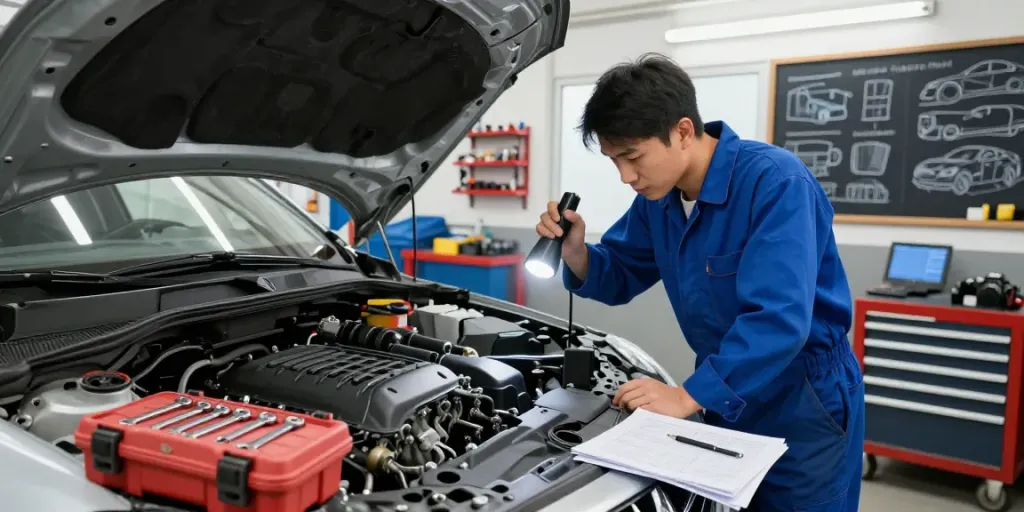
Understanding Car Parts Guides
When it comes to maintaining your vehicle, having access to reliable information is crucial. Car parts guides serve as essential resources for both seasoned mechanics and everyday car owners alike. They provide detailed insights into the various components that make up your vehicle, including how they function and why specific parts may need replacement. With the right car parts guides, you can make informed decisions about repairs, upgrades, and the overall maintenance of your vehicle.
What Are Car Parts Guides?
Car parts guides are comprehensive resources that break down the various components of a vehicle, detailing their functions, common issues, and replacement procedures. These guides are essential for anyone looking to understand their car better, whether for personal knowledge or to assist with repairs. They often include information on part numbers, compatibility, and troubleshooting tips, making them an invaluable tool for DIY enthusiasts and professionals alike.
Importance of Accurate Part Information
Accurate part information can save car owners both time and money. Misidentifying a component can lead to purchasing incorrect parts, resulting in wasted resources and unnecessary delays in repairs. Furthermore, understanding the specifics of car parts can aid in diagnosing issues before they escalate into more significant problems, ensuring that your vehicle remains in optimal condition.
Key Components Explained
Understanding the key components of your vehicle is fundamental to effective maintenance. Here are some essential parts that every car owner should know:
- Engine: The heart of your vehicle, responsible for converting fuel into mechanical energy.
- Transmission: This system transmits power from the engine to the wheels, allowing the car to move.
- Brakes: Critical for safety, the brake system slows down or stops the vehicle.
- Suspension: This system affects ride quality and handling, as it supports the vehicle's weight and absorbs shocks.
- Electrical System: Powers everything from ignition to lighting, and includes the battery, alternator, and wiring.
Diagnosing Common Car Issues
Identifying car problems early can prevent more severe issues down the line. Car parts guides often include symptoms and troubleshooting tips to help diagnose common car issues efficiently.
Utilizing Car Parts Guides for Troubleshooting
When diagnosing issues, car parts guides can provide detailed descriptions of potential problems and their corresponding solutions. For example, if your car is making an unusual noise, a guide may help you identify whether that noise is related to the engine, transmission, or suspension.
Common Faults and Solutions
Here are some common car issues and their potential solutions:
- Squeaking Brakes: Often due to worn brake pads; replacing them can solve this issue.
- Engine Overheating: Could indicate a coolant leak; checking the coolant levels and hoses may resolve the problem.
- Battery Problems: A dead battery may mean it's time for a replacement or that there's an issue with the electrical system.
Case Studies of Successful Repairs
Many car owners have successfully utilized car parts guides to navigate repairs. For instance, a driver experiencing persistent engine misfires referred to a parts guide that indicated specific ignition coil issues. By replacing the faulty coil, he restored his vehicle’s performance and saved on costly mechanic bills.
Recent Trends in Car Parts Procurement
The way car owners procure parts has evolved significantly, with online resources providing a wealth of information and options for purchasing.
Online Resources and Tools
Today, various websites and online marketplaces offer access to diagrams, specifications, and user reviews of car parts. This information can be invaluable when sourcing parts, ensuring that you choose quality products that fit your vehicle’s requirements.
Comparative Analysis of OEM vs Aftermarket Parts
Understanding the differences between Original Equipment Manufacturer (OEM) and aftermarket parts can influence purchasing decisions. OEM parts are made by the vehicle's manufacturer, ensuring perfect compatibility, while aftermarket parts often provide more affordable options, though compatibility and quality can vary.
Future of Vehicle Parts Supply Chains
The future of vehicle parts supply chains is shifting towards greater digital integration. Predictive analytics and inventory management systems are becoming standard, allowing suppliers to respond more quickly to market demands and streamline the purchasing process for consumers.
Modern Technologies in Automotive Maintenance
Technological advancements are shaping the automotive industry, particularly in maintenance and repair services.
Diagnostic Tools and Software
Modern cars are equipped with sophisticated diagnostic systems that can help identify issues in real-time. Tools like OBD-II scanners allow car owners to read trouble codes directly from their vehicles, providing immediate insights into underlying problems.
The Role of AI in Parts Sourcing
Artificial intelligence is transforming how car parts are sourced, with algorithms analyzing data to predict which parts will be needed most frequently based on historical trends and driver behavior. This technology enables suppliers to maintain optimal inventory levels and ensure that parts are readily available.
Case Examples of Tech-Driven Repairs
Several auto repair shops have embraced technology to enhance their services. For example, some use augmented reality to assist technicians in visualizing repairs, allowing for more accurate and efficient diagnostics and repairs.
Future-Proofing Your Vehicle Knowledge
As vehicles become more advanced, continuous learning about car maintenance and parts will be essential for car owners.
Developing a Continuous Learning Model
Adopting a mindset of continuous learning can help car owners stay updated on the latest automotive technologies and repair practices. Engaging with online courses, webinars, and workshops can also enhance your understanding of vehicle maintenance.
Engaging with Automotive Communities
Joining automotive forums and social media groups can provide valuable insights from fellow enthusiasts and professionals. These communities often share experiences, tips, and solutions to common car problems.
Preparing for the Next Generation of Vehicles
With electric vehicles and hybrids gaining popularity, understanding the specific components and maintenance needs of these vehicles is becoming increasingly important. Staying informed about the latest advancements will prepare car owners for the future of automotive technology.
What are the different types of car guides?
Car guides come in various forms, including repair manuals, parts catalogs, and troubleshooting guides. These resources can cater to different needs and expertise levels, from novice car owners seeking basic information to experienced mechanics in search of specific technical details.
What is the 30-60-90 rule for cars?
The 30-60-90 rule is a guideline that suggests performing specific maintenance tasks at intervals of 30, 60, and 90 days or miles. This rule can help ensure that various components are checked regularly, promoting vehicle longevity and reliability.
What are some important car parts everyone should know?
In addition to the engine and brakes, essential car parts that every owner should be familiar with include the transmission, tires, battery, and suspension system. Understanding these components can help you recognize symptoms of potential problems early on.
Where can I find online auto parts diagrams?
Many online resources provide detailed auto parts diagrams, allowing you to visualize the components of your vehicle. Websites such as parts catalogs and automotive parts retailers often feature diagrams specific to vehicle makes and models.
How can I verify car part compatibility?
To ensure compatibility, always refer to your vehicle's manual for part numbers and specifications. Additionally, utilizing car parts guides can help confirm that the parts you are purchasing match the required fitment for your vehicle.